Blog Post 3 of the "Foundations: Building Carolina Horse Park" series.

A Blank Slate with Big Possibilities: Supporting the Future

By Denny Emerson | For Carolina Horse Park

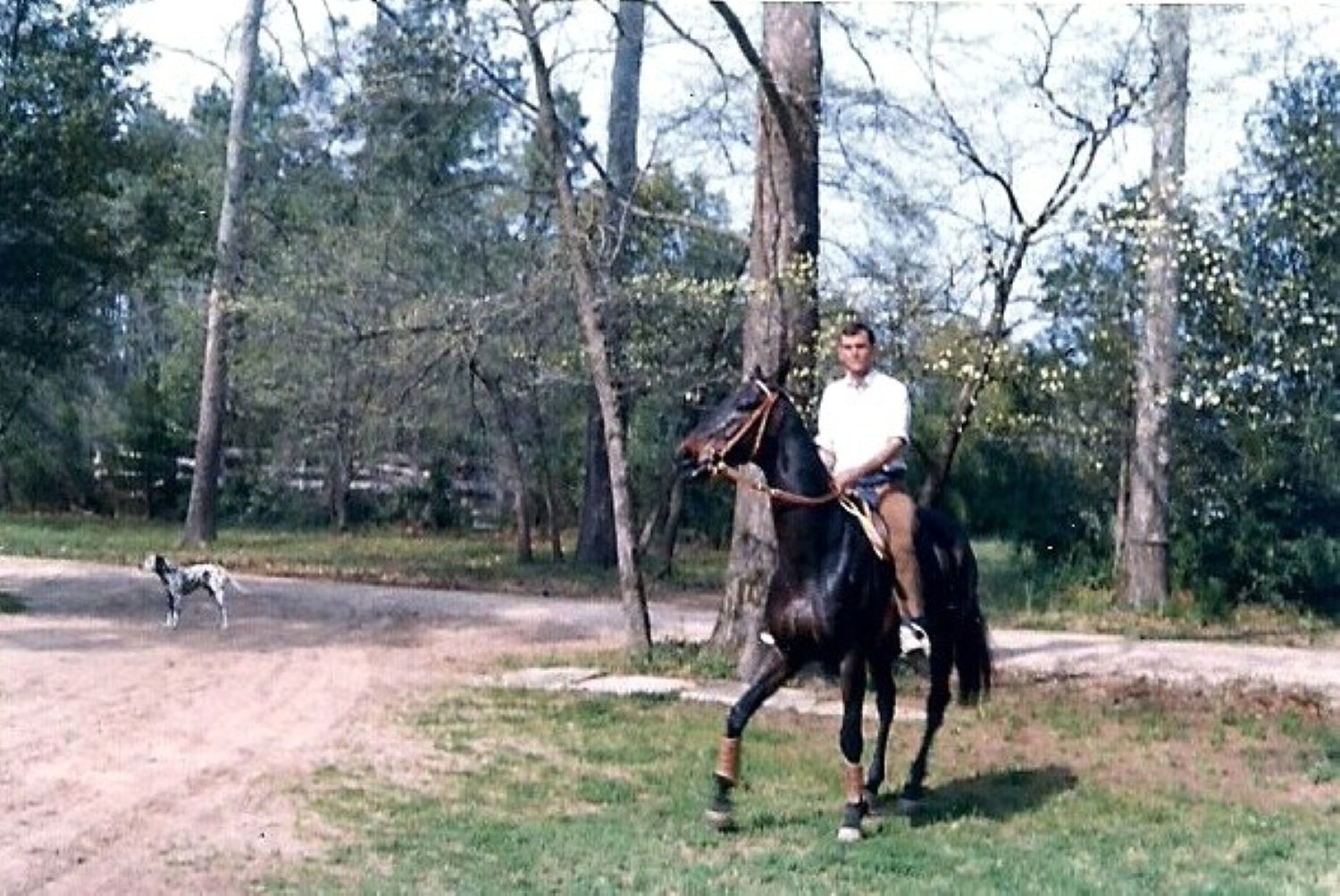
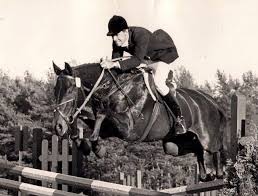
Caddymaster and Denny Emerson

Pictured: Denny Emerson returning to Chin Dufort’s stable on Connecticut Ave. in Southern Pines, NC after a steeplechase school on Maclean Williamson’s Caddymaster in the spring of 1964.

In Part 3 of our history series, we explore how a blank slate of land became the foundation for a growing vision, shaped year by year by the needs of the equestrian community.

One way to visualize the history of the fledgling Carolina Horse Park in its first few years is to understand what it did not have.


There were no broad tracks through the fairly dense woods. There were no cross-country jumps at any level. There were no dressage rings. There wasn’t a show jumping arena. There was no stabling. There were no buildings of any sort except a run-down house on the edge of Montrose Road. There were no warm-up rings. There were no bathrooms. In short, there was nothing out there except a big, fairly level tract of land, a blank slate, divided into two pieces by a lightly traveled Montrose Road.


But that blank slate turned out to be a blessing in disguise. We didn’t have anything to undo, nor any buildings or roads that forced us to work around them. Everything that would come later could be built with intention.


Someone other than I will have to provide the details of who did what and when, because I wasn’t deeply involved with the land planning itself. What I do remember, though, stretches back even further than the founding of the Park.


When I first spent time in Southern Pines way back in 1964, visiting my friend Mac Williamson—who had a few timber horses in training with Chin Dufort up on Connecticut, where Bill Long kept his driving horses—there were little horse shows all over the place on individual farms. It was a lively and deeply horse-centered community.


Mrs. Ginnie Moss was a major inspiration behind so much of that activity. She was a true driving force of nature, and her enthusiasm inspired others to become more deeply involved in all sorts of horse activities—foxhunting, driving, eventing, and more. Her influence could be felt everywhere.


By the time we purchased land in 1989, some of that tradition was still alive, but things were changing. Real estate values were starting to climb, and land parcels were becoming smaller and smaller. Farms that once hosted competitions were being divided, sold, or repurposed.


Having a Carolina Horse Park was all well and good as an idea, but the challenge was convincing members of the horse community that it was worth driving twenty miles to ride and compete, instead of simply hacking down the road to a nearby farm.


They say necessity is the mother of invention, and the area needed a dependable, permanent competition site. I think it was that shared understanding—support the Park, or see competition opportunities gradually disappear—that inspired many people to get behind the venture.


So year by year, one piece at a time, individuals stepped forward to help shape the property.


One early improvement was the grandstand near Horace Walters Road. That project was built on the hope that a race meet might draw large spring crowds, much like the historic Stoneybrook races once had. I’m not entirely sure why that idea never fully took hold, but the grandstand remained as an early symbol of ambition and possibility.


It also proved to be a wise decision to cluster most of the infrastructure around the original house on the Montrose Road side of the property. Doing so preserved that enormous stretch of open land across the road—leaving it largely untouched by permanent development, parking lots, or anything else that might detract from the wide-open spaces where horses could gallop and jump freely.


That open space remains one of the Park’s greatest strengths.


Even in those early days, it was clear that the Park’s future would involve more than simply hosting three-day events. There were conversations about broadening the scope—about welcoming more disciplines, more riders, and more members of the community.


As I understand it, that challenge—to grow thoughtfully while conserving the land and the traditions that inspired it—is still very much ongoing today.


And perhaps that is the real story of the Carolina Horse Park: not just what was built, but what was imagined, protected, and patiently developed—one careful step at a time.

In Memoriam: Roger Secrist | Carolina Horse Park

In Memory of Roger Secrist

We honor the life and legacy of Roger Secrist, whose leadership and vision were instrumental in founding the Carolina Horse Park. His dedication helped turn an idea into the thriving equestrian center we know today. We are forever grateful for his contributions and extend our deepest condolences to his family and loved ones.
About the Carolina Horse Park

The Carolina Horse Park is a 501(c)(3) charitable Nonprofit Corporation located in the Sandhills of North Carolina. Dedicated to conserving open space and providing a world-class venue for sport, the Park hosts a diverse calendar of national and international competitions while remaining deeply rooted in community, education, and access for all.

About the Author: Denny Emerson

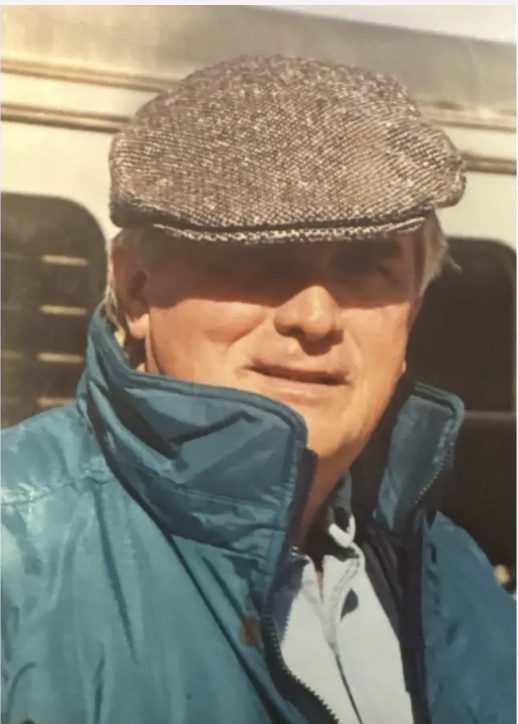
Denny Emerson 

Edward E. “Denny” Emerson graduated from Dartmouth College and began his career teaching high school English before moving into real estate in his native Vermont. A lifelong fascination with horses eventually led him to the sport of eventing. Riding his small but tough part-Morgan horse, Victor Dakin, Emerson earned selection to represent the United States at the 1974 World Championships, where he helped the U.S. team secure a gold medal on British soil.

Following that success, Emerson remained an active competitor with several horses over the years. He was named Rider of the Year in 1972 and went on to compete in 53 seasons, including 45 consecutive seasons of eventing at the Preliminary level or above—a remarkable record of longevity in the sport.

In addition to his competitive accomplishments, Emerson became widely respected as a teacher and mentor. Known for his energy and dedication, he has been in demand as a clinician across the United States. His gymnastic jumping exercises are considered foundational by many eventers. One of his former students, Kelli Temple, credited Emerson as a major influence on her success, noting that his motivation, work ethic, and commitment to the sport were truly inspirational.

Throughout his career, Emerson has been recognized by numerous organizations for his contributions to eventing and horsemanship. Among his honors are the USEA Wofford Cup for lifetime service to eventing, the American Riding Instructors Certification Program (ARICP) Lifetime Achievement Award, and the inaugural Ayers-Hammett Awardfrom the American Medical Equestrian Association in recognition of his efforts to promote safer horsemanship. He also received the inaugural Equestrian Land Conservation Resource Leadership Award, reflecting his deep commitment to land conservation.

That passion for land stewardship has been evident through his leadership roles with several organizations. Emerson has served as trustee and President of the Green Mountain Horse Association in Vermont, as trustee of the Carolina Horse Park in North Carolina, and as trustee of the Equestrian Land Conservation Resource.

Emerson also contributed extensively to the governance and growth of the sport. He served as President of the United States Eventing Association (USEA) from 1982 to 1984 and again from 1991 to 1992. During his leadership, the sport experienced significant growth and modernization, including the formal recognition of the Novice level (formerly Pre-Training) and the realignment of competition guidelines across all levels. He also served as Vice President of Eventing for the United States Equestrian Team (USET) for seven years, was a member of the USEF Executive Committee, and chaired the Breeders Committee of the American Horse Shows Association (AHSA).

In later years, Emerson developed a passion for endurance riding, successfully competing in 100-mile rides, including the renowned Tevis Cup. He and his wife, May, operate Tamarack Hill Farm in Strafford, Vermont. Together, they have two sons, Rett and Jamie.

More Blog Posts

Building The Park: From The Ground Up

Part two of our “Foundations: Building Carolina Horse Park” series, tells the story of turning rough land into possibility—through volunteer cleanup days, early trail building, land expansion, and the fundraising that kept the dream alive.

Read More

Thank you to our Park sponsors