Carolina Horse Park Welcomes Helen Murray as Director of Programs and Committee Development
The Carolina Horse Park Foundation is pleased to welcome Helen Murray as our new Director of Programs and Committee Development.
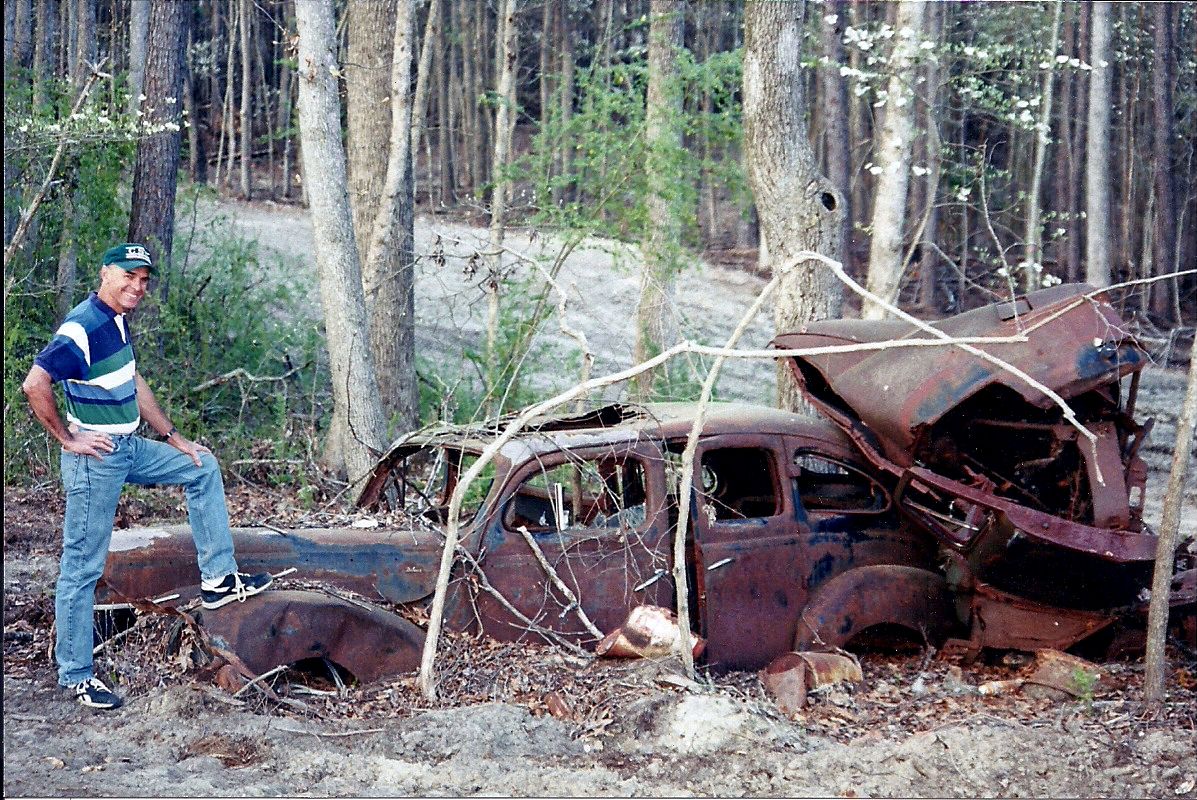
Edward E. “Denny” Emerson graduated from Dartmouth College and began his career teaching high school English before moving into real estate in his native Vermont. A lifelong fascination with horses eventually led him to the sport of eventing. Riding his small but tough part-Morgan horse, Victor Dakin, Emerson earned selection to represent the United States at the 1974 World Championships, where he helped the U.S. team secure a gold medal on British soil.
Following that success, Emerson remained an active competitor with several horses over the years. He was named Rider of the Year in 1972 and went on to compete in 53 seasons, including 45 consecutive seasons of eventing at the Preliminary level or above—a remarkable record of longevity in the sport.
In addition to his competitive accomplishments, Emerson became widely respected as a teacher and mentor. Known for his energy and dedication, he has been in demand as a clinician across the United States. His gymnastic jumping exercises are considered foundational by many eventers. One of his former students, Kelli Temple, credited Emerson as a major influence on her success, noting that his motivation, work ethic, and commitment to the sport were truly inspirational.
Throughout his career, Emerson has been recognized by numerous organizations for his contributions to eventing and horsemanship. Among his honors are the USEA Wofford Cup for lifetime service to eventing, the American Riding Instructors Certification Program (ARICP) Lifetime Achievement Award, and the inaugural Ayers-Hammett Awardfrom the American Medical Equestrian Association in recognition of his efforts to promote safer horsemanship. He also received the inaugural Equestrian Land Conservation Resource Leadership Award, reflecting his deep commitment to land conservation.
That passion for land stewardship has been evident through his leadership roles with several organizations. Emerson has served as trustee and President of the Green Mountain Horse Association in Vermont, as trustee of the Carolina Horse Park in North Carolina, and as trustee of the Equestrian Land Conservation Resource.
Emerson also contributed extensively to the governance and growth of the sport. He served as President of the United States Eventing Association (USEA) from 1982 to 1984 and again from 1991 to 1992. During his leadership, the sport experienced significant growth and modernization, including the formal recognition of the Novice level (formerly Pre-Training) and the realignment of competition guidelines across all levels. He also served as Vice President of Eventing for the United States Equestrian Team (USET) for seven years, was a member of the USEF Executive Committee, and chaired the Breeders Committee of the American Horse Shows Association (AHSA).
In later years, Emerson developed a passion for endurance riding, successfully competing in 100-mile rides, including the renowned Tevis Cup. He and his wife, May, operate Tamarack Hill Farm in Strafford, Vermont. Together, they have two sons, Rett and Jamie.
The Carolina Horse Park Foundation is pleased to welcome Helen Murray as our new Director of Programs and Committee Development.
The Carolina Horse Park Foundation is pleased to welcome five new members to its Board of Directors, bringing a wealth of equine and professional experience, passion, and commitment to the future of the Park.